Ambassador Profile: Alexandra Viney
There are moments in life that change everything. For Alexandra “Al” Viney, one of those moments came at just 18 years old.
Born in Deloraine, Tasmania, Al was the kind of teenager who lit up the field. Whether it was soccer, basketball, or rowing, she was always in motion. But in December 2010, her world shifted. A high-speed collision, caused by a drunk driver, left her with lasting injuries to her left arm. The kind of injuries that would challenge not just her physical strength, but her identity.
For a while, Al believed that her days as an athlete were over. So she pivoted. She poured her energy into understanding the body instead earning a Bachelor of Exercise and Sport Science, becoming a sport scientist, and coaching others in strength and conditioning. During this time, she also learned the importance of structured support systems and youth development pathways — something reflected in LifeChanger’s school-based wellbeing programs, which help young people build resilience, identity and self-belief early in life.She found new purpose, but the fire to compete still burned quietly inside.
Then came a spark.
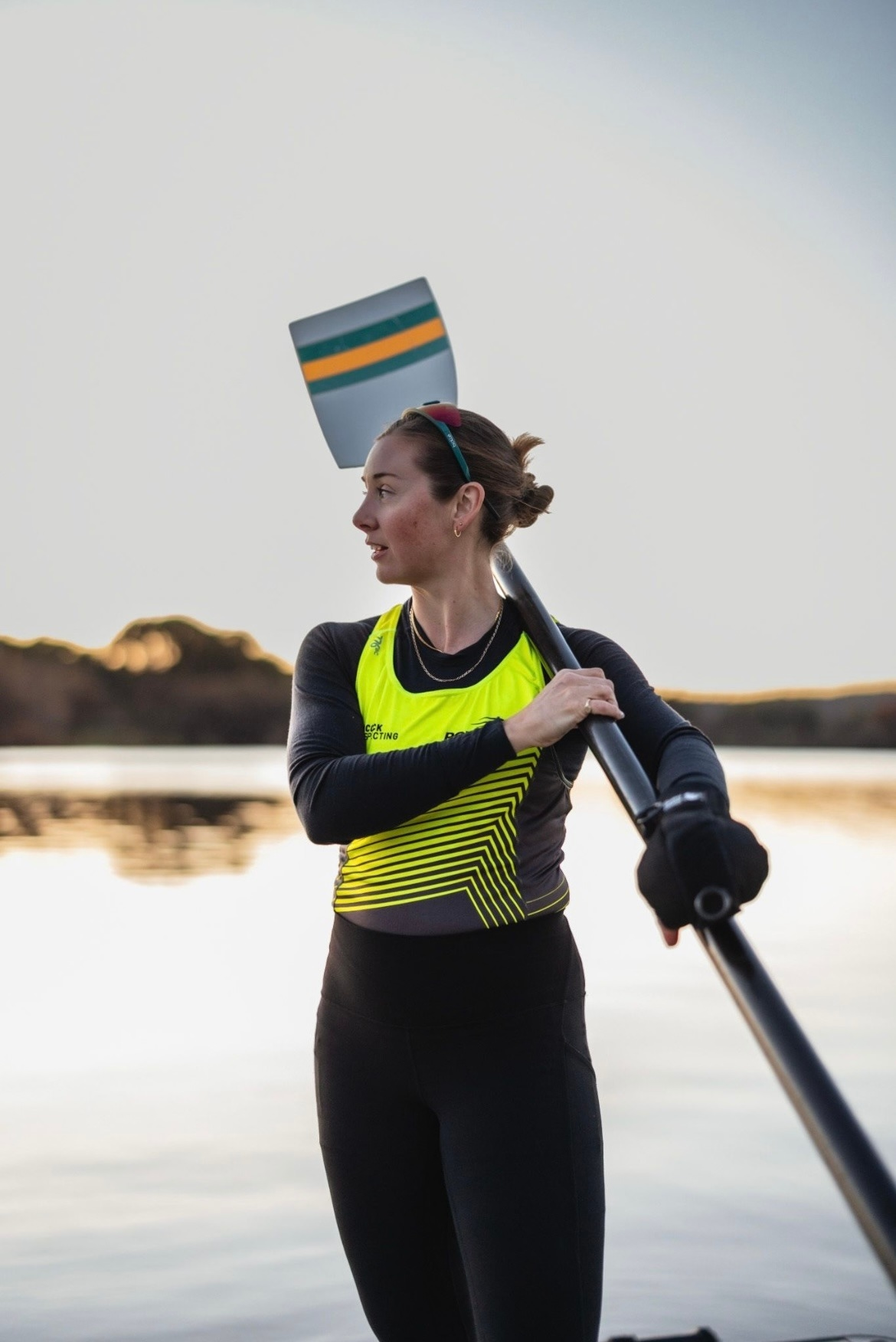
In 2018, Al learned her injuries qualified her for para-sport. Within months, she was back in the boat; this time as a para-athlete. Less than a year later, she was on the world stage, helping qualify Australia for the Tokyo 2020 Paralympics, where she proudly competed in the PR3 Mixed Coxed Four and placed fifth.
Al’s story is one of grit, reinvention, and rising, again and again.
And now, she’s bringing that same energy to LifeChanger.
Just a few weeks ago, Al stepped into her first Year 7 Immersion program as one of LifeChanger’s newest ambassadors. With authenticity and quiet strength, she shared her journey with young people navigating their own formative challenges.
Because if there’s one thing Al embodies, it’s that your path might shift- but that doesn’t mean it’s over. Sometimes, it’s just the beginning.
What inspired you to become a LifeChanger Ambassador, and how do you hope to make a difference?
I was inspired to become a LifeChanger Ambassador because I know firsthand the power of community, resilience, belonging and self-belief.
Throughout my journey—from overcoming adversity to representing my country on the world stage—I’ve experienced the impact of having strong mentors and support networks.
This connects strongly with LifeChanger’s broader focus on building resilience, leadership and mental fitness in communities and organisations, helping people feel equipped to navigate challenge and change.
LifeChanger’s mission aligns with my own values: ensuring young people feel seen, heard, and empowered to reach their full potential.
I hope to make a difference by being a safe space for people to feel like they belong, contributing to conversations about resilience and adaptability, and encouraging young people to embrace challenges as opportunities for growth.
What have you learnt from your own experiences that you'd love to share with the next generation?
One of the biggest lessons I’ve learned is that adversity doesn’t define you—how you respond to it does.
There was a time in my life when I felt lost and disconnected from who I was, but one conversation helped shift my perspective.
That moment reinforced within me the true power of curiosity, vulnerability, conversations, connection and self-belief.
These themes are explored through LifeChanger’s identity and strengths-based self-discovery tools, which help young people better understand who they are and what they stand for.
I want the next generation to know that setbacks are part of the journey, and self-worth isn’t determined by circumstances but by how you choose to move forward. You belong, you matter, and your story is still being written.
Looking back, what were you like at 13? If you could give your younger self one piece of advice, what would it be?
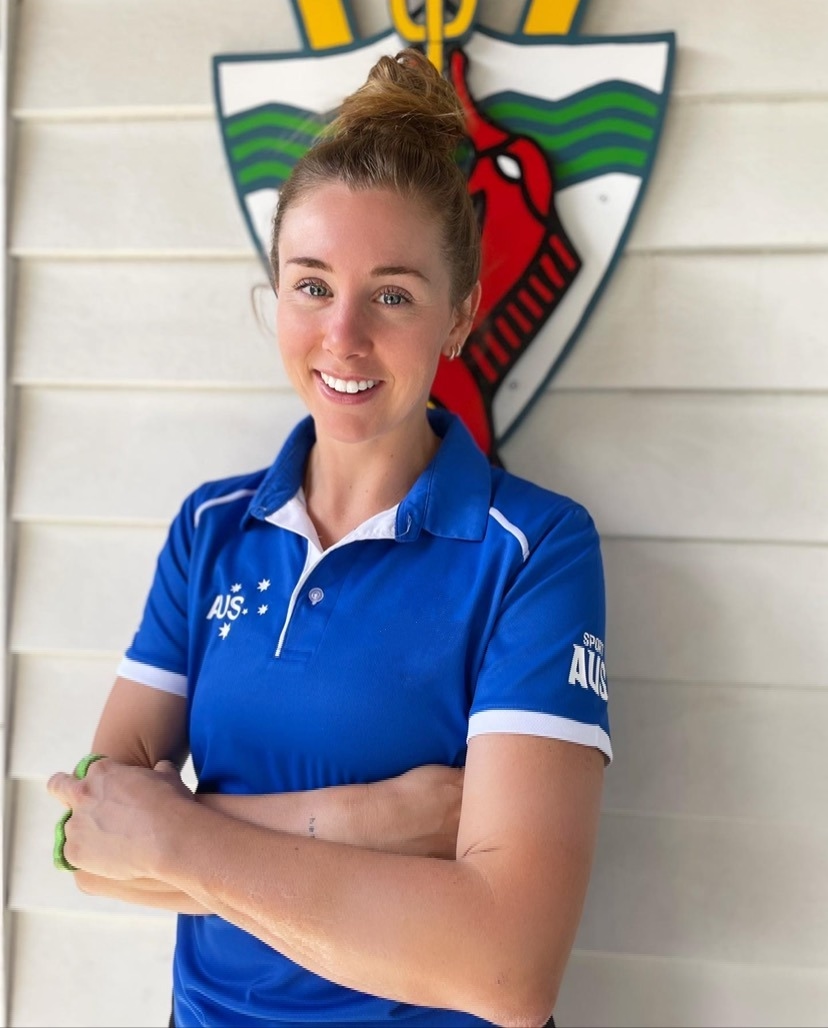
At 13, I was full of energy, eager to be involved in everything, but also trying to figure out where I truly fit.
I loved sport, being part of a team, and pushing myself, but like many young people, I sometimes questioned if I was enough or if I truly belonged.
If I could give my younger self one piece of advice, it would be this: You are enough. You belong. You are worthy—exactly as you are.
You don’t have to change who you are to fit in or meet anyone’s expectations. Be curious, not judgmental—about yourself, about others, and about the world.
Every experience, challenge, and opportunity is shaping you into the person you’re meant to be. Keep backing yourself, keep asking questions, and don’t be afraid to take up space.
Why is mental fitness and wellbeing important to you, and how do you prioritise it in your life?
Mental fitness is just as important as physical fitness, especially as an elite athlete and someone who has faced significant personal challenges.
For me, wellbeing is about respecting fluidity and adaptability in life —understanding when to push forward and when to pause.
I prioritise mental fitness by staying connected with my support network, practicing mindfulness through hobbies, taking time for myself and immersing myself in an environment that I know is good for my head and heart.
Whether it’s through sport, music, or time with loved ones, I make space for things that bring me joy and perspective.
Mental strength isn’t an abrasive, hardened exterior, it's more about being able to get back up and show adaptability, connection, respect for your own emotional regulation and building habits that sustain us in the long run.
If you could share one key tip related to one of LifeChanger’s pillars - Health, Skills, Self, Purpose, or Tribe - what would it be?
Pillar: Self – To own your story.
There’s so much power in understanding who you are, embracing your strengths, and being unapologetically yourself.
It’s easy to compare yourself to others, but real confidence comes from knowing that you are enough, just as you are.
When you truly back yourself, opportunities open up, and you start shaping a life that aligns with your values and passions.
What is one of your proudest moments, and why does it stand out to you?
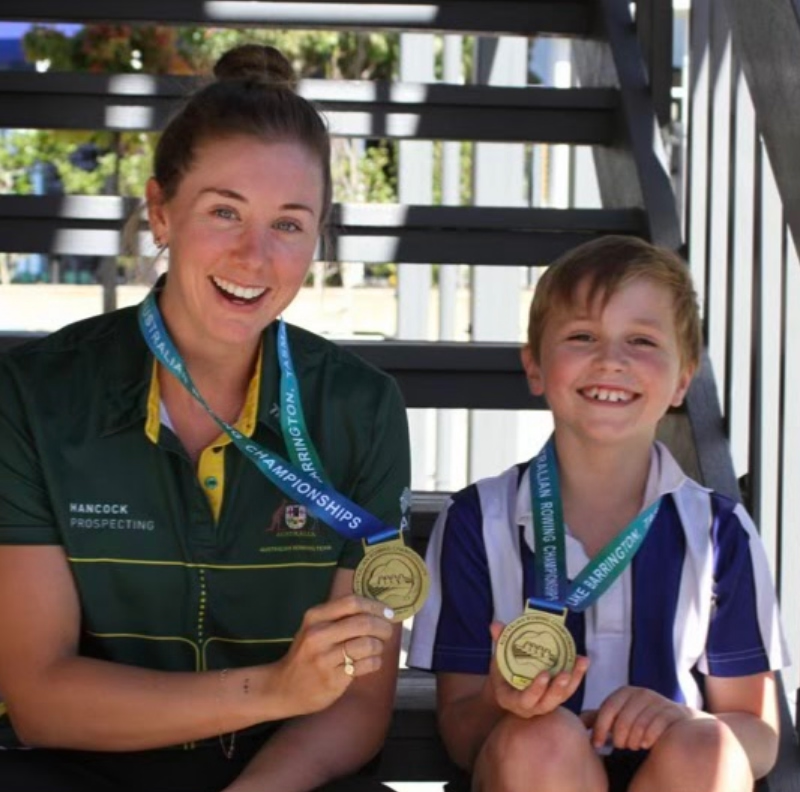
One of my proudest moments isn’t a single sporting achievement but it’s a deep friendship that I have built with a teammate—turning our sporting partnership into one of the most rewarding, empowering and cherished relationships of my life.
We’ve supported each other through the triumphs and some deep lows, we’ve pushed each other to be better athletes and better people.
It stands out to me because sport isn’t just about results; it’s about the connections we make along the way, and this friendship is a testament to the power of trust, support, and shared purpose.