Moving Minds and Bodies: The Transformative Power of Physical Activity on Youth Mental Health
One truth remains simple and powerful - movement matters.
At LifeChanger, we see young people for who they truly are: full of hope, curiosity, potential, and resilience. Every day, we listen to their questions, witness their growth, and stand alongside them as they navigate life’s challenges through our youth wellbeing programs. And increasingly, we are witnessing how physical inactivity is stealing more than just energy. It’s taking a toll on their mental health. But there is hope. There is a way forward. And it starts with one step, one stretch, one breath.
A Generation Sitting Still.
Across Australia and the globe, adolescents are more sedentary than ever. With screens dominating attention spans and digital connection replacing physical play, many young people are becoming disconnected from their bodies and, in turn, their sense of self. Research continues to show a troubling trend: declining physical activity is closely linked to rising levels of anxiety, depression, and loneliness among youth.
COVID-19 lockdowns intensified this shift. But even as restrictions lifted, the habits remained - scrolling over sprinting, gaming over group sport. It's a concerning reality. Yet it's also a call to action.

Why Movement is More Than Muscles
When young people move their bodies, they do more than just burn energy - they build themselves. Physical activity stimulates the brain’s architecture, releasing chemicals that enhance mood, focus, sleep, and motivation.
For young people developing identity and confidence, understanding their strengths is key — tools like the Hero Quiz help support this self-awareness journey alongside physical wellbeing.
Endorphins, dopamine, serotonin, human growth hormone. These aren’t just scientific terms. They're the body’s own toolkit for joy, connection, and emotional resilience. And unlike medication, exercise offers side effects we all want: better sleep, increased self-esteem, and a stronger sense of agency.
Beyond the Brain: Building Identity Through Movement
Adolescence is a time of identity formation. Physical activity plays a profound role in helping young people explore who they are. It’s in the climb of a hill, the rhythm of a run, or the power of a team goal that self-belief begins to take root.
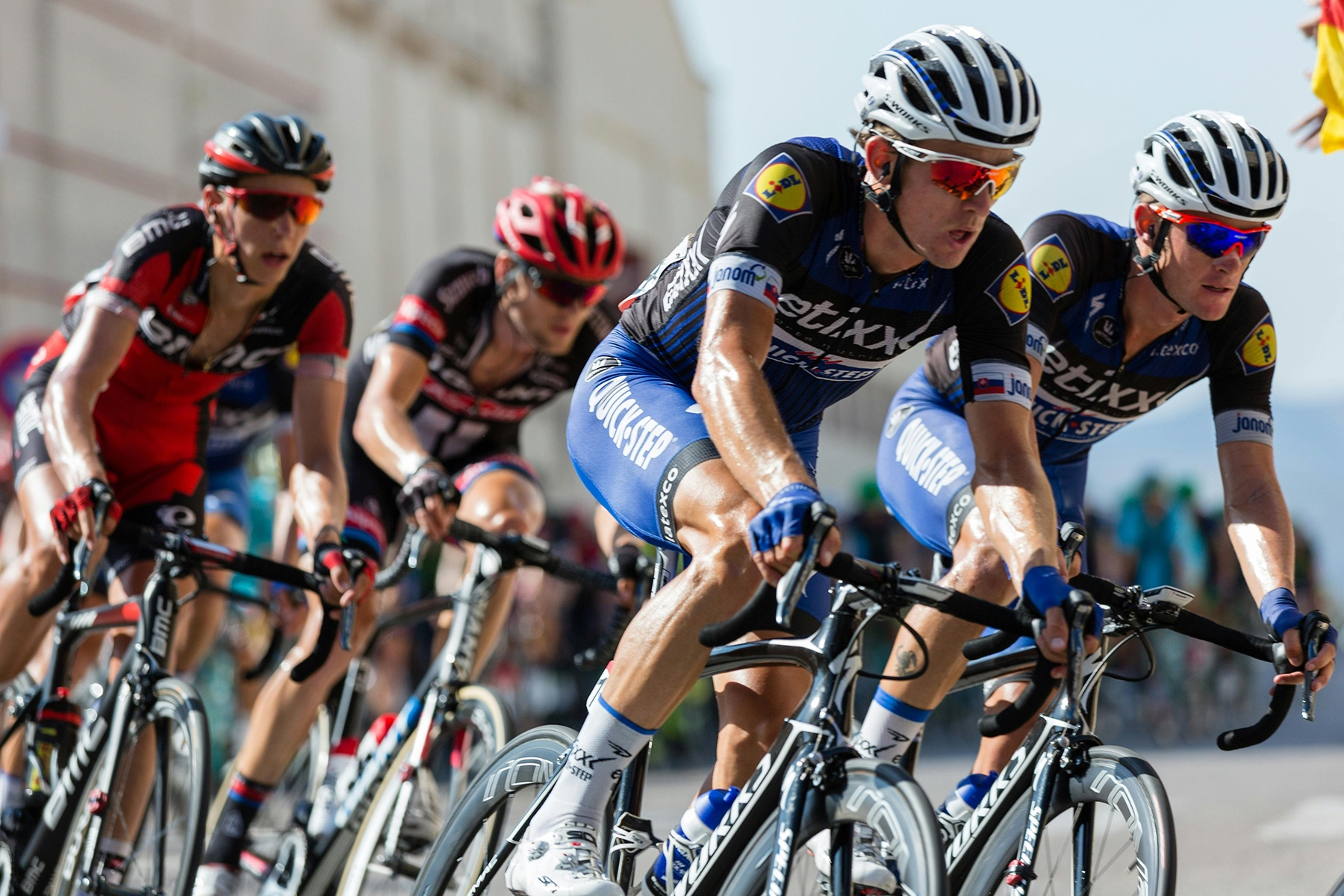
Activities like team sports offer belonging and purpose, while strength training builds not just physical confidence but inner determination. Even mind-body practices like yoga provide stillness and insight - equipping young people with tools for managing the noise of modern life.
Every step, every effort, becomes an act of self-discovery. And for many, that’s the most powerful lesson of all.
A Natural Antidote to Modern Challenges
In our work, we hear often from students who feel overwhelmed, disconnected, or unsure about the future. Physical activity gives them something to hold on to. A rhythm. A release. A reminder of what they're capable of.
In fact, the benefits of exercise for mental health go beyond mood; stretching into learning, focus, memory, and adaptability. Young people who move regularly tend to think more clearly, respond to challenges more calmly, and face school and life with greater capacity.
Pathways to Possibility: What Activity Works?
There’s no one-size-fits-all when it comes to movement. But there is something for everyone:
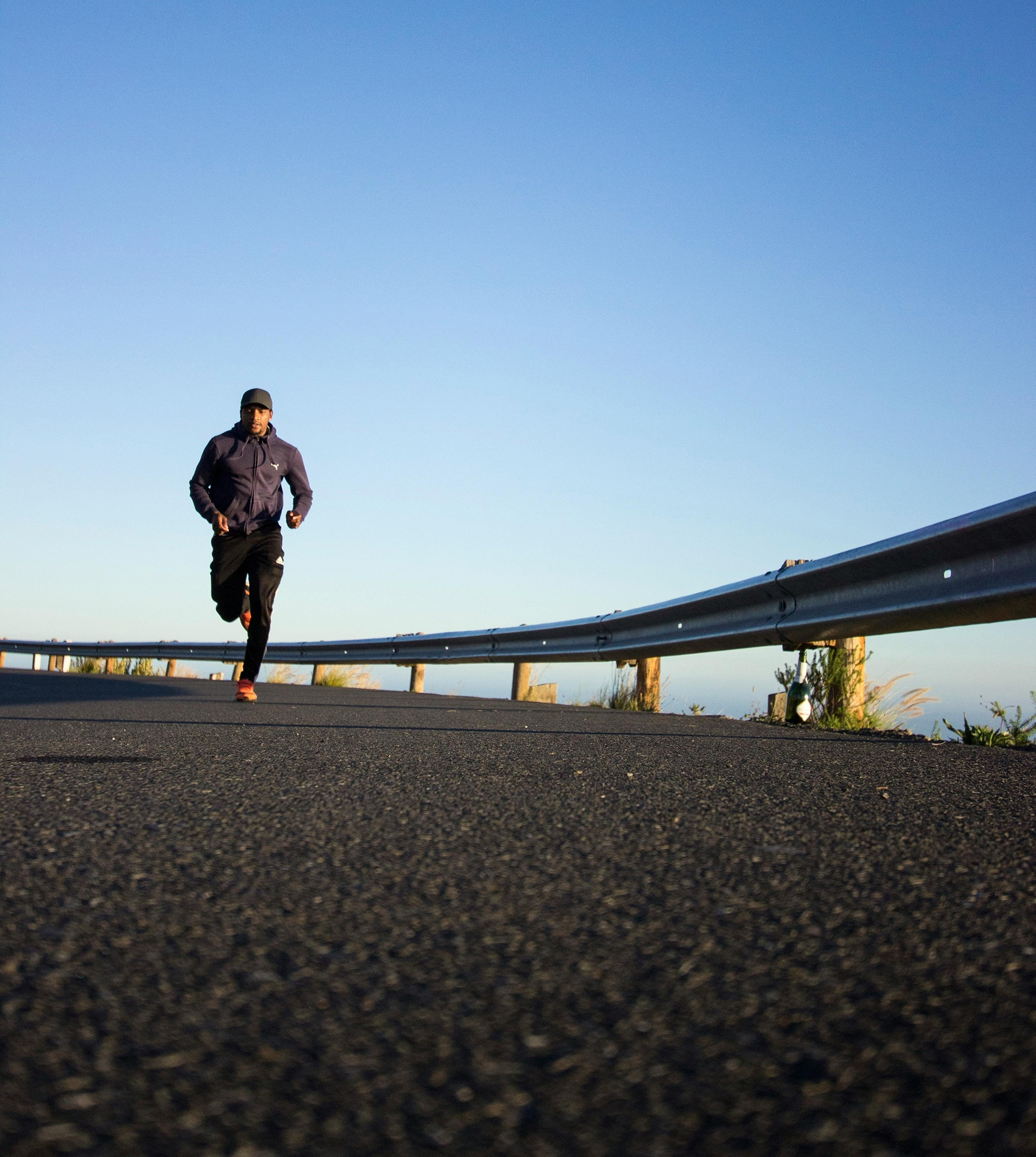
- Aerobic activities like running or swimming lift mood and reduce anxiety.
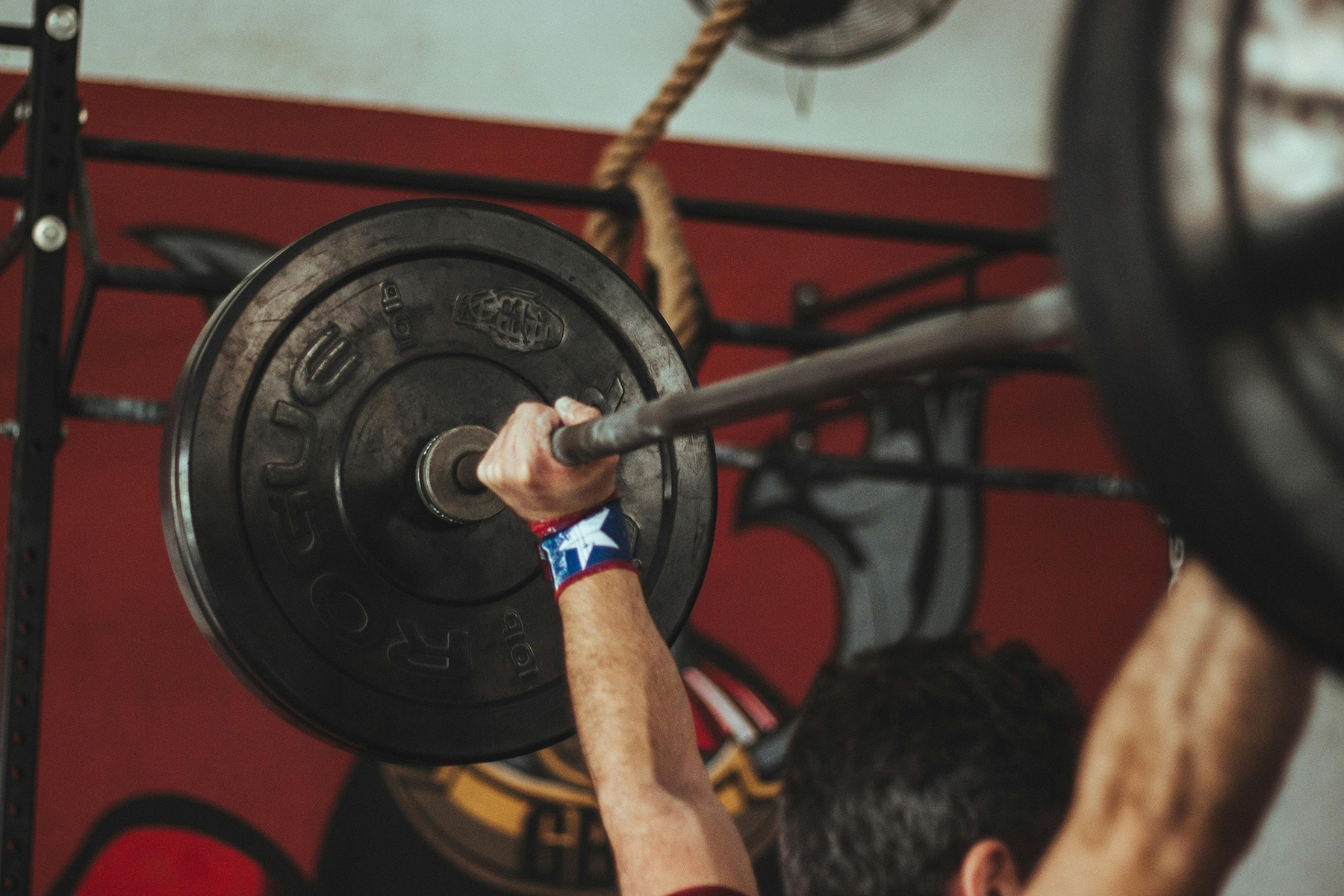
- Strength training boosts self-efficacy and body confidence.
- Team sports nurture connection and collective identity.
- Mind-body practices offer emotional regulation and grounded presence.
The key? Making movement part of everyday life. Not as punishment or pressure, but as play, joy, and empowerment.

How We Champion Change
At LifeChanger, we know that supporting youth mental health requires a whole-community approach. That’s why our programs don’t just encourage movement - they help young people build self-awareness around how moving their body impacts how they think, feel, and connect.
A Call to Action: Let’s Move Forward, Together
The science is clear, and the stories are powerful. Physical activity can transform lives. Not someday. Not later. Right now.
This isn’t just about fitness. It’s about futures. It’s about giving every young person the opportunity to reconnect with themselves, with others, and with the infinite possibilities that lie ahead.
Let’s not wait. Let’s move, and rise together!