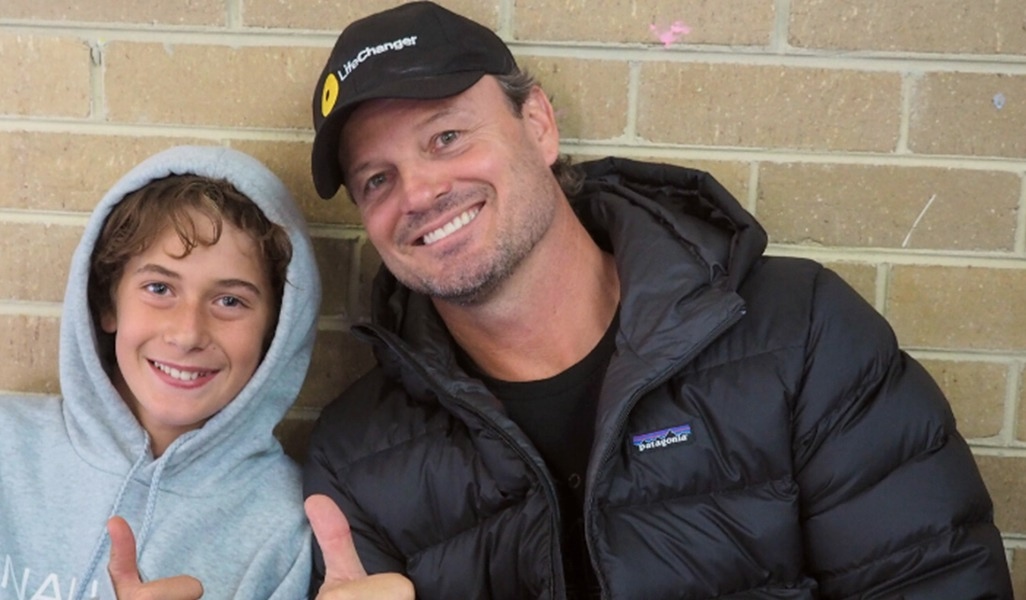
SCOTT WATTERS, CEO - 12/12/2024
ON THE SOCIAL MEDIA BAN
As CEO and Founder of LifeChanger Foundation, I wholeheartedly endorse the proposed ban on social media use for under 16-year-olds in Australia.
Social media has indeed become a double-edged sword. While it offers unprecedented connectivity, it simultaneously exacerbates issues like anxiety, loneliness, cyberbullying, and unhealthy self-comparisons among young people. The impact is particularly concerning during early adolescence, a critical and often challenging stage of development.
This stance is not merely a reflex opinion but is grounded in my own unique professional experience, and a growing body of research that confidently concludes on the detrimental effects of social media on young people's mental health and overall well-being—Detrimental effects that most fair and reasonable adults would agree they see even in their own social media use.
Recent studies have shed light on the magnitude of this problem. A longitudinal cohort study of U.S. adolescents aged 12–15 found that those who spent more than 3 hours per day on social media faced double the risk of experiencing poor mental health outcomes, including symptoms of depression and anxiety[1]. Other studies also suggest that young people who self-harm are more active on social media[3].This is alarming, considering that as of 2023, 13 to 16 year-olds in the US now spend an average of 4.8 hours per day on social media[1].
THAT’S 4.8 HOURS, NOT WITH THEIR FRIENDS, NOT PLAYING OUTSIDE, NOT LEARNING, NOT EXPLORING. JUST SCROLLING.
Jonathan Haidt, a renowned American social psychologist and author, has been vocal about the "great rewiring" of children's brains due to smartphones and social media. In his latest book, "The Anxious Generation," Haidt argues that these technologies have "rewired childhood and changed human development on an almost unimaginable scale"[2]. He points out that the introduction of the App Store, push notifications, and the front-facing camera marked a turning point, transforming smartphones from marvelous tools into [our] masters, especially for teenagers[2].
Unfortunately, the impact is not gender-neutral. A study conducted among 14-year-olds found that greater social media use predicted poor sleep, online harassment, poor body image, low self-esteem, and higher depressive symptom scores, with a larger association for girls than boys[1].
The vast scale of the problem is also stomach churning. Meta’s own recent announcements cite a shocking 12 million pieces of suicidality and self-harm content being identified and taken down by their own systems in just 3 months[4]. Taking this as a sample, we can reasonably assume that over 48 million pieces of harmful content of this nature are being hosted and fed to young people across Instagram and Facebook alone.
This is just the tip of the iceberg, as it does not take into account other platforms such as TikTok, Snapchat and YouTube and it was only the content identified and taken down by its own systems. Systems that have previously been proven to be woefully inadequate to intercept even the most obviously dangerous content[5].
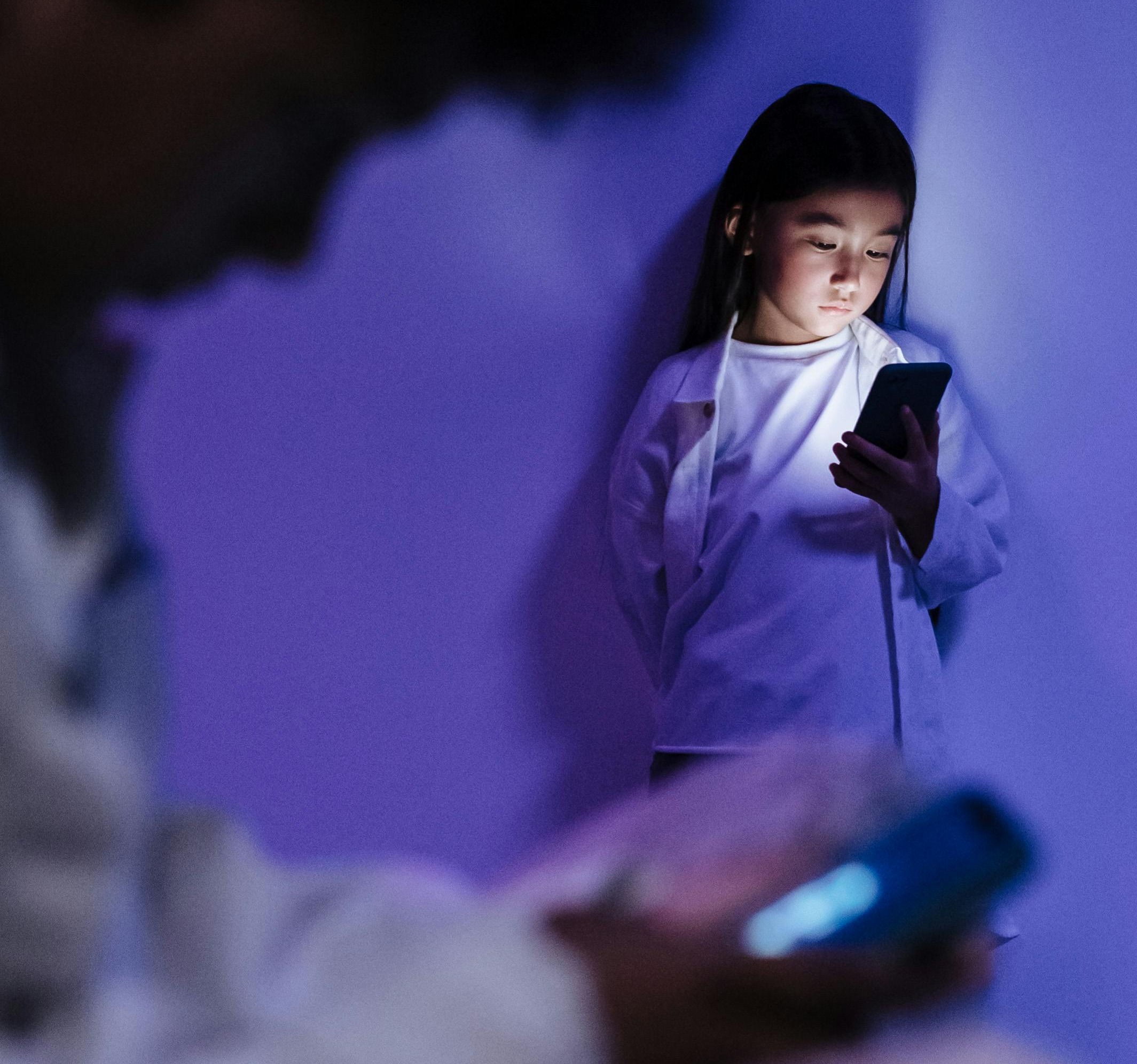
It’s also worth noting that every single piece of content of this nature is an integral part of these platforms' business model, and is by definition, revenue generating for them. Is it any wonder that these platforms have been woefully slow to put any real protections in place for young people?
PUT SIMPLY, THESE PLATFORMS ARE KNOWINGLY PROFITING FROM THE HARM THEY ARE DOING TO ADOLESCENTS THAT ARE USING THEM.
Harm that causes young people to become isolated, lonely, anxious, addicted and crippled with real-world communication challenges—and far worse. This aligns with our observations at LifeChanger Foundation, where we've seen first-hand how social media can undermine the skills and values we work hard to instill in young people.
Our work at LifeChanger focuses on empowering young people to lead healthy, purposeful lives by building self-awareness, strong connections, and skills for life. However, social media, without constraints and too early, can create powerful environments of distraction, disconnection, unrealistic expectations, anxiety, shame and mental fatigue that directly conteract these goals and adds an entirely new level of difficulty upon young people that are already facing a deeply challenging time in their lives.
THE PROPOSED BAN IS NOT ABOUT RESTRICTING FREEDOM BUT ABOUT CREATING A PROTECTIVE BUFFER FOR YOUNG AUSTRALIANS TO GROW WITHOUT THE UNDUE STRESS, PRESSURES, ANXIETY AND MISCONCEPTIONS THAT SOCIAL MEDIA IMPOSES.
It's a step towards fostering healthier mindsets and relationships, allowing adolescents to develop crucial skills like resilience, self-esteem, and genuine interpersonal connections without the constant interference of digital platforms.
I have every confidence that with the right financial incentives (heavy fines) in place, these social platforms will quickly find innovative ways to verify the age of users whilst simultaneously reassuring over-age users that their right to privacy (through token technology etc.) will be respected.
This ban represents a move toward a stronger, healthier future for our youth. By limiting exposure to the potentially harmful aspects of social media during these formative years, we're giving our children the chance to develop a solid foundation for their mental and emotional well-being. We will see this benefit of this change within months, not years, as teens across the country look-up and smile at us from across the kitchen table.
It's a proactive measure that aligns with our mission at LifeChanger Foundation and one that I believe will contribute significantly to a better future for young Australians and all Australian families.