
Reclaiming Positive Masculinity: Embracing Strength, Purpose, and Belonging
In recent years, the conversation around masculinity has been dominated by the phrase “toxic masculinity.” What began as a more balanced critique of harmful behaviours has, in many spaces, shifted into a broader and often unhelpful narrative—one that too often shames men simply for being men. It’s time we shift the lens, not by denying the harms that can exist, but by affirming something deeper, more essential, and more hopeful: positive masculinity.
This article is a call to remember that the innate aspirations many boys and men feel—to protect, to build, to strive, to lead—are not flaws to be hidden or erased. They are powerful, healthy impulses that, when nurtured, contribute immensely to families, communities, and society. The problem is not masculinity itself, but how society fails to support young men in expressing it in positive, constructive ways. Too often, male role models are mocked, ambitions are pathologised, and boys are made to feel ashamed of their nature. But masculinity, like any human trait, flourishes with guidance, community, and purpose.

Where Did We Go Wrong?
Too many boys are growing up in a culture that questions their nature before it nurtures their strengths. Strength, ambition, protectiveness—traits often instinctive in young men—are framed as liabilities instead of virtues. Aspirations toward leadership or toughness are met with suspicion. Admiration for male role models is dismissed or ridiculed.
This cultural ambiguity around manhood comes at a moment when young men are already facing real, measurable hardship.
Educational disengagement is rising. Boys are falling behind in school, and men are underrepresented in tertiary education completion rates.
Workforce participation is declining. Many young men face unstable employment and a mismatch between available work and their skills or passions.
Diminished material living conditions—marked by rising housing un-affordability, unstable work, and a shrinking path to financial independence—that erodes their sense of purpose and long-term hope.
Mental health is at a tipping point. One in four men will experience a mental health disorder in their lifetime. Young men, in particular, face increasing levels of depression, anxiety, and suicide risk.
Social isolation is on the rise. Many men lack close friendships or spaces to connect. The loss of male-only communities, once natural in sport, trades, or rites of passage, has left a void—and into that void, confusion and loneliness often step.
These aren’t just social statistics. They’re lived realities.

The Power of Role Models and A PLACE TO FEEL WELCOME
One of the most powerful things we can offer young men is a living, breathing example of what they can become.
They need role models. Not just celebrities or athletes (though some play this role beautifully), but men in their lives—fathers, teachers, coaches, mentors—who demonstrate what it means to live with integrity and purpose. Men who aren’t perfect, but who own their strengths, admit their weaknesses, and show up anyway.
They need spaces. Communities where men and boys are encouraged to grow, to connect, and to be challenged. Spaces like:
Men’s Sheds – purpose-built places for connection and hands-on contribution.
Mentorship programs – Platforms and programs that can responsibly connect young men with great leaders provide avenues for guidance and inspiration for young people.
Sporting clubs – where leadership, teamwork, and resilience are modelled and refined.
Peer support circles – increasingly popular in schools and workplaces, offering safe places for men to talk honestly.
Online communities – when positive and well-moderated, these can reach isolated young men and provide brotherhood where geography may limit it.
But these spaces don’t build themselves—they require intention. That means funding, awareness, cultural permission, and community support.
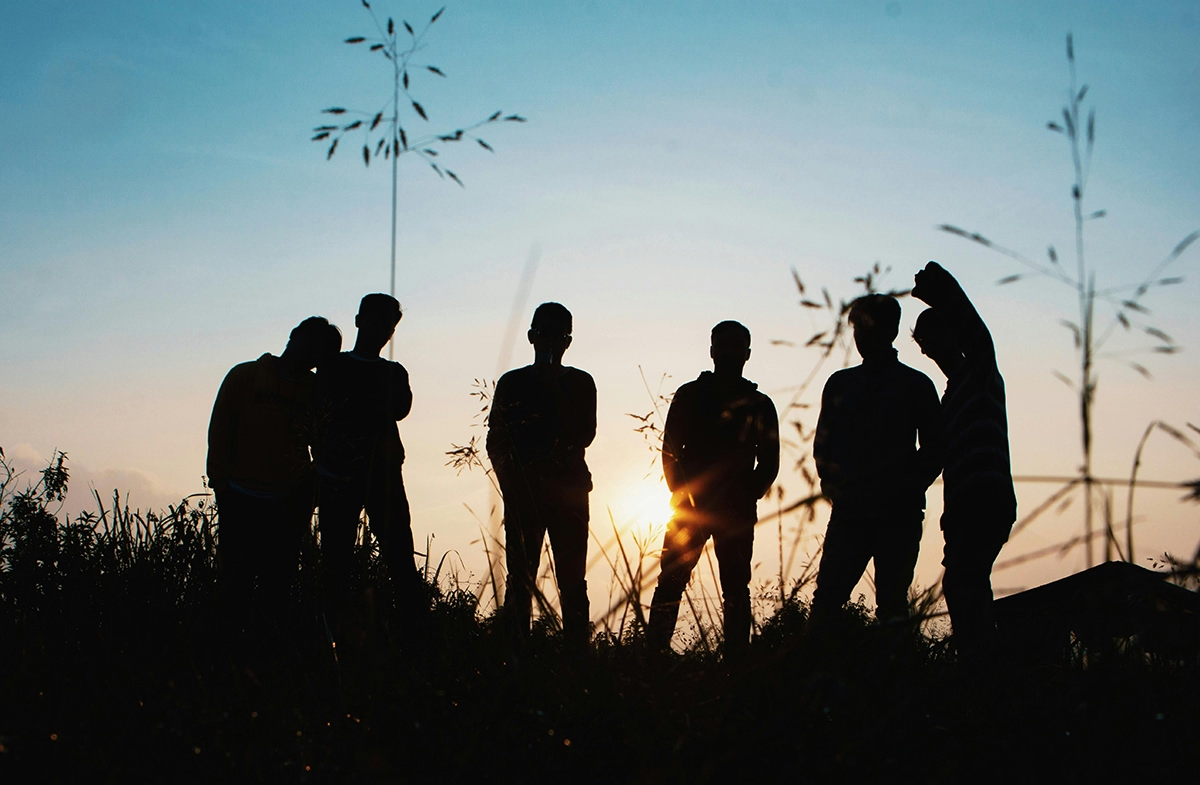
Conclusion: A Masculinity Worth Aspiring To
Masculinity, in its healthiest forms, is not a threat. It is a gift. If we want young men to rise, we must offer them something to rise toward—not a void of shame, but a beacon of purpose.
Let’s move beyond simply critiquing what’s broken and start building what’s possible. Let’s reclaim masculinity—not in opposition to anyone, but in service of everyone.
Let’s teach boys and men that they are needed.
Not for who they’re told to be, but for who they can become.
Because when a man knows who he is and is proud of that identity, everyone benefits.